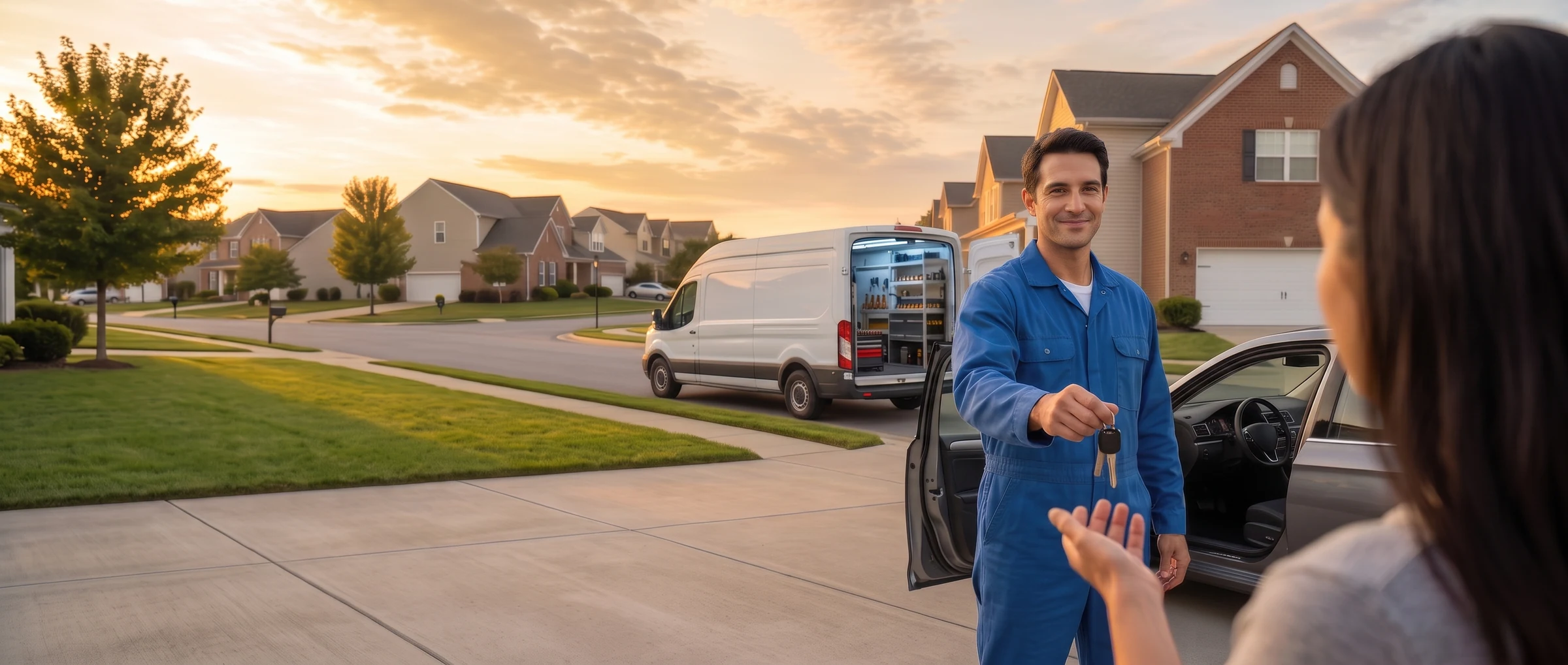
A rekey re-pins the lock you already have, and every old key stops working.
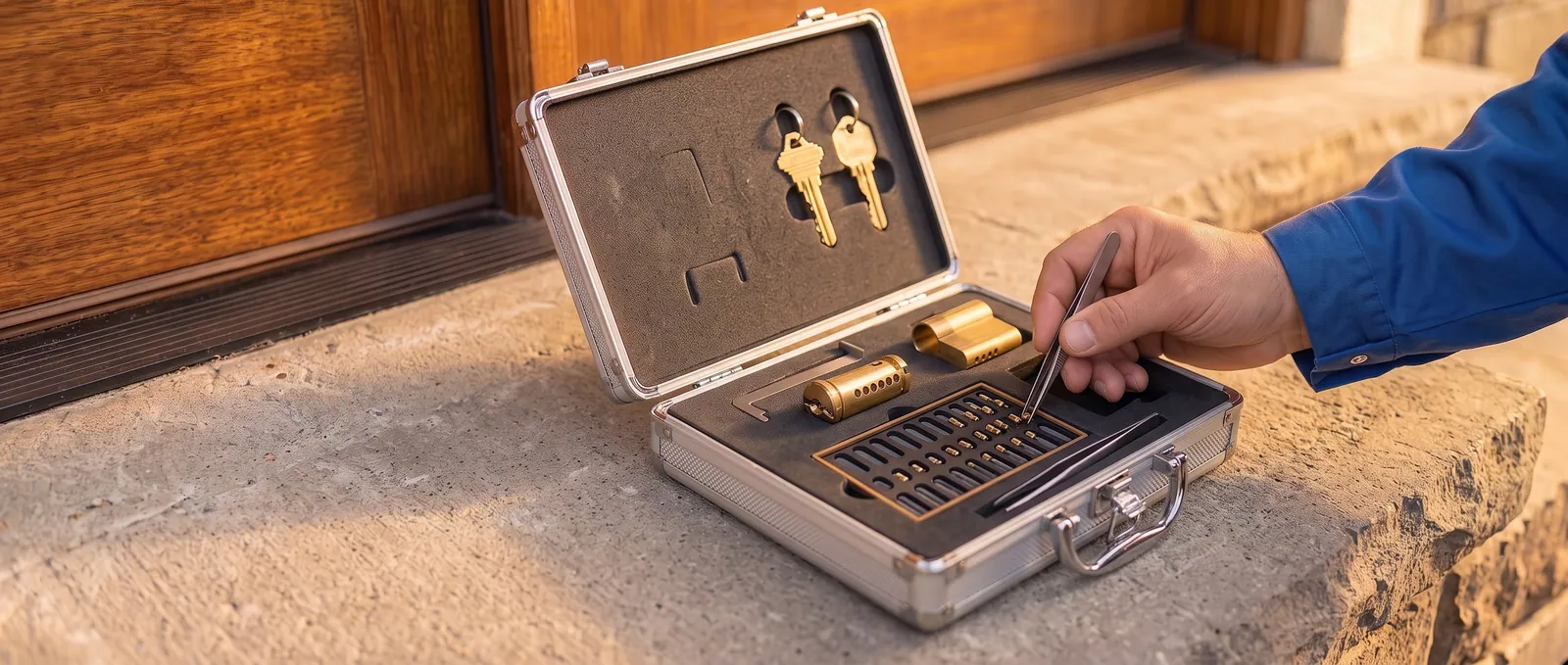
When a caller contacts a locksmith, they usually ask for a price to change their locks. They explain that they just moved in or lost a key, and they need to make sure nobody else can get inside. In the vast majority of these cases, the caller does not actually need to change the locks. They need a rekey. Understanding this difference is the most important part of securing a building without spending unnecessary money.
To understand why, you have to look at how a lock is built. The handles, knobs, and heavy metal deadbolts that you see on the outside of your door are just housings. They are built to hold the core component, which is called the cylinder. The cylinder is the small round plug where you insert your key. Inside that cylinder is a series of tiny chambers. Each chamber holds a small spring and two small brass pins.
When you insert the correct key, the cuts and ridges on the blade lift those brass pins to a very specific height. This creates a clear path, known as the shear line, allowing the cylinder to turn and retract the deadbolt. If the wrong key is inserted, the pins sit at the wrong heights, blocking the cylinder from turning.
When you ask a locksmith to re key a lock, they do not throw your hardware away. The technician we dispatch will unscrew the lock from the door and slide the cylinder out of the housing. They empty out the old brass pins and discard them. They then take a brand new, never-before-used key. By measuring the cuts on this new key, they drop a completely different set of brass pins into the cylinder. They put the cylinder back into the housing and reattach the lock to your door.
The physical hardware is exactly the same. The finish matches your hinges, and the handle feels exactly the way it did yesterday. However, the internal combination is entirely different. The old keys are now completely dead. They will slide into the keyhole, but they will not turn. You have achieved the exact same security outcome as buying a brand new lock, but you did it by only replacing the tiny pins inside.
On call 24/7
Choosing a rekey service is the correct path anytime you want to revoke access from people who might have old keys, provided your current locks still work well. The most common scenario is moving into a new home. The previous owners handed over a set of keys at closing, but you have no way of knowing how many other copies exist. They might have given a spare to a dog walker, a cleaning service, a relative, or a neighbor. A rekey invalidates every single one of those unknown copies.
The same logic applies to rental properties. When a tenant moves out, the property manager must ensure the next tenant has exclusive access. Rekeying the existing hardware is the standard procedure. It is also the right choice after losing a key in public, especially if your wallet or anything identifying your address was lost alongside it. Other common situations include a separation from a former partner or the end of a major renovation project where a contractor no longer needs to enter the property.
The wording people use varies - rekey, re-key, changing the pins, or simply changing the locks - but the physical process and the reasons for doing it are the same wherever you live. The goal is always to establish a new baseline of security without paying for heavy metal housings that you do not actually need. We arrange this kind of work every day through our residential locksmith services, helping homeowners secure their doors using the hardware they already own.
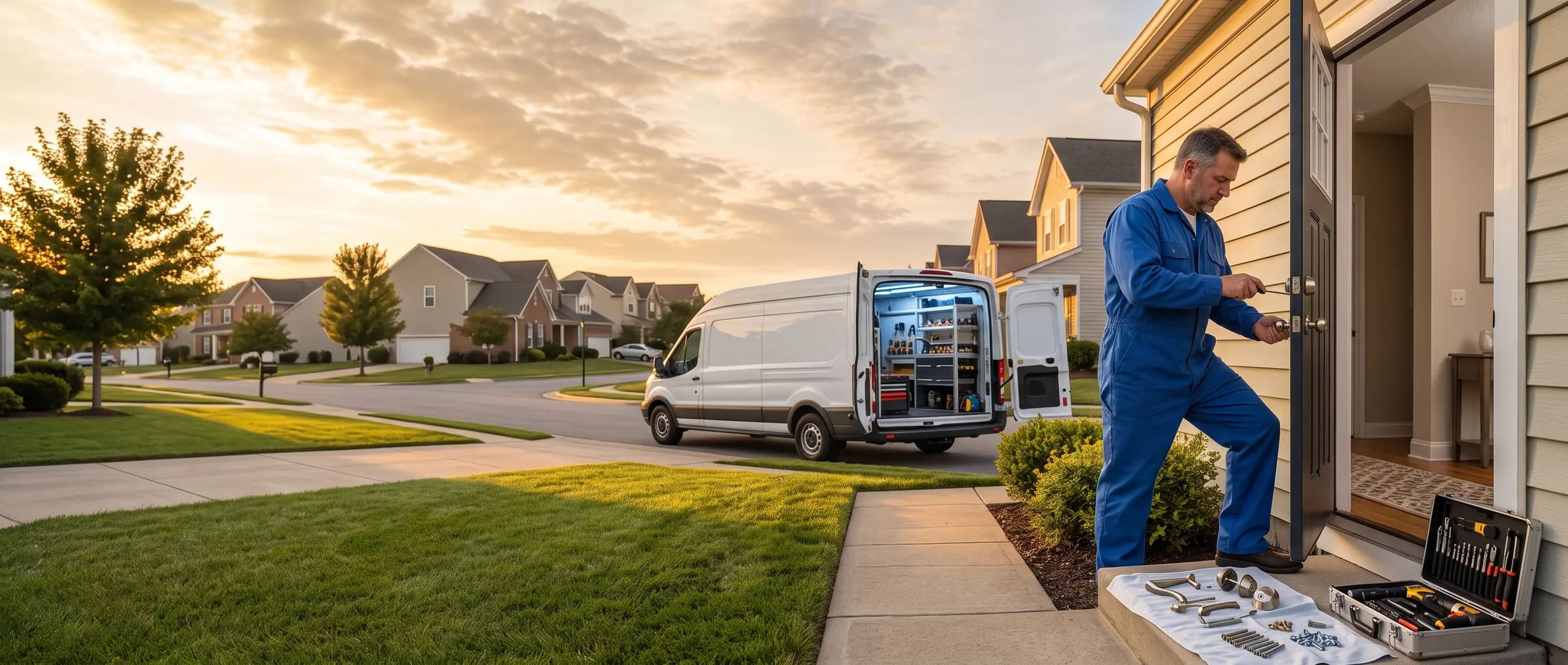
There are specific times when keeping your old hardware is a bad idea. A lock replacement is required when the internal mechanism is physically failing. If you have to jiggle your key aggressively, pull the door toward you, and use excessive force just to turn the deadbolt, the internal gears are likely worn down. Dropping new pins into a failing cylinder will not fix a broken mechanism.
You also cannot rekey a lock that has been compromised by blunt force. If a door was forced open during a break-in, the bolt itself or the internal housing might be bent. In these cases, the structural integrity of the metal is gone. Removing the old unit entirely and installing a brand new one is the only safe option.
Sometimes, the decision is purely cosmetic or practical. You might want to upgrade from basic builder-grade knobs to heavy-duty commercial hardware. You might want to change the finish of your hardware from polished brass to matte black to match new light fixtures. You might also find that your current lock is so incredibly cheap that paying a locksmith to disassemble it and re-pin it costs more than the hardware is actually worth. In these situations, discarding the old lock is the right move.
On call 24/7
The primary reason a rekey is recommended over a replacement is the cost. Because a rekey utilizes your existing hardware, you completely avoid the retail markup of buying new knobs, levers, or deadbolts. You are only paying for the labor and the new keys.
The independent locksmith who takes the job will assess your doors and provide a quote before any work begins. To understand the financial difference, you can look at the published ranges. The category of Lock rekey, house and commercial $48–$230 covers the labor of disassembling the lock and changing the pins per cylinder.
If you decide to replace the hardware instead, you are looking at a different tier of pricing. The category for a Lock change, basic locks $54–$229 covers the labor of removing the old hardware and installing the new units. However, that range is just for the labor. You still have to pay for the actual locks themselves, which you either purchase independently at a hardware store or buy directly from the locksmith out of their van inventory. Replacing the hardware is almost always the more expensive route when the original locks are still in perfectly good working order.
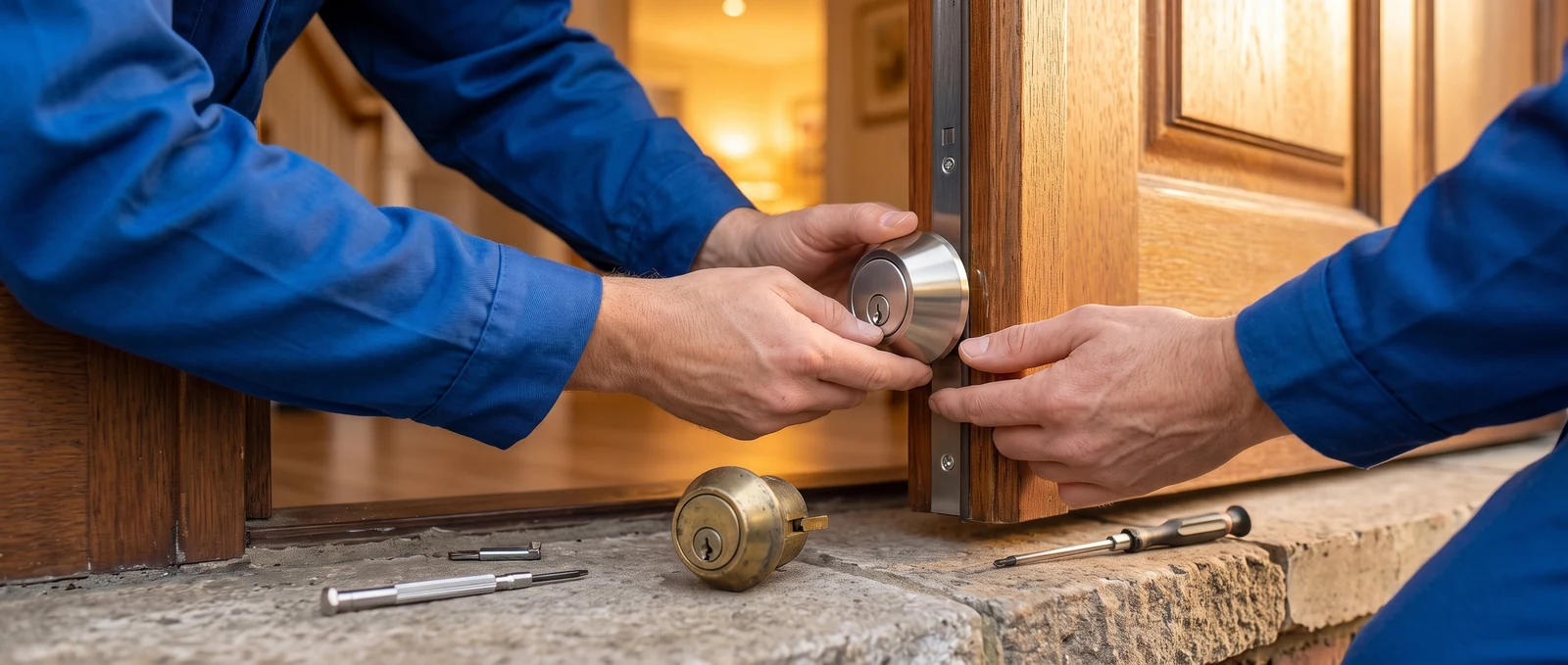
A common misconception is that a locksmith must treat every single door as a separate, isolated job, requiring multiple visits or hours of downtime. In reality, every cylinder on a site can be rekeyed in one single visit. The technician we dispatch arrives with all the necessary pins, tools, and key-cutting equipment in their vehicle.
They can walk through the property, remove the cylinders from the front door, the back door, the side garage door, and the sliding patio door, and re-pin all of them in a single sweep. Furthermore, they can often pin them so that one single key opens every door on the house, provided all the locks share the same manufacturer keyway. This means you can eliminate a bulky keychain and operate your entire home with one piece of metal.
This efficiency scales up to business environments as well. A business owner might need to restrict access to a supply closet while keeping the front door accessible to all staff. A same day lock change or rekey handles the entire building at once. Designing systems where different keys open different doors while a master key opens everything is a major component of the commercial locksmith solutions we help facilitate. You do not need to schedule separate appointments for the front and back of your building.
There is a third path that has nothing to do with rekeying or swapping existing hardware. Sometimes you encounter a door that has no lock on it at all, or a door that only has a locking handle but desperately needs a deadbolt for actual security.
This requires drilling brand new holes through the wood, fiberglass, or metal of the door. The locksmith must use specialized jigs and hole saws to bore a large hole through the face of the door and a smaller intersecting hole through the edge. They must also chisel out a recess in the door frame to accept the metal strike plate.
Because this involves permanent modification to the door and requires precise alignment so the bolt throws smoothly without binding, it is the most expensive labor category. The published range for a New lock installation, door with no existing hole $89–$219 reflects the time and precision required. You are paying for the carpentry and drilling labor, and you will also need to pay for the hardware itself.
If you already have a deadbolt hole in your door, you do not need this service. You only need this when outfitting a brand new blank door or adding a secondary lock to a door that never had one. For the vast majority of callers looking to secure their property after a move or a lost key, a simple rekey of their existing hardware remains the smartest, most efficient choice.
Call and tell the dispatcher where you are. (240) 673-3118
On call 24/7
The line is answered at any hour, including nights, weekends and holidays. Call and say where the car is standing and what it is: a night call is taken differently from a midday one, and you are told what can be sent before anything is.
Yes — transponder chips, proximity keys and push-to-start fobs are programmed at the vehicle on most makes and models. A key fob that has lost its pairing usually needs programming rather than replacing, and one you have already bought can often be programmed if it is compatible.
Rekey when the hardware is fine and you simply want every old key to stop working — the cylinder is re-pinned and the locks stay on the door. A lock change swaps the hardware itself, which is the answer when a lock is worn, broken, or you want something different on the door.
Check every door and the trunk, then call rather than force anything: a coat hanger through a window seal costs more to put right than the lockout did. A mobile car locksmith in comes to the car and opens it where it stands, anywhere across .
A mobile car key locksmith comes to the car and makes a new key from scratch, so a lost key with no spare does not need an original to copy from. The key is cut and programmed at the vehicle, anywhere across .
Call a local locksmith near you rather than a landlord or a glazier. The door is opened rather than replaced, and the number on this page reaches a 24hr locksmith across .
In most cases, yes: a lock change or a rekey is finished on the first visit, and every old key stops working that day. That goes for anywhere on this page — — not only the city itself.
Call 911 first, before anything else. Police and fire crews treat a child locked in a vehicle as an emergency and can force entry immediately, which no locksmith should wait to be asked to do. Once everyone is safe, the car still needs opening, and that call can follow.
We cover 9,156 zip codes in 41 states. Type a zip code or a town name to see if yours is one of them.
No results. We do not have a line covering that yet — call (240) 673-3118 and we will tell you whether we can reach you.